Snow and Ice Warnings Have Been Extended Across the UK
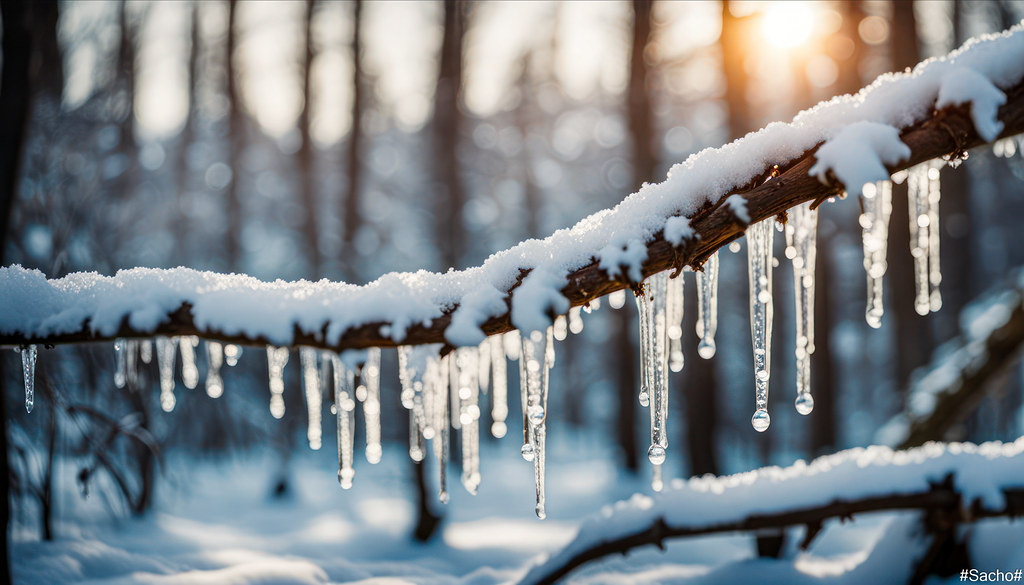
The UK is currently facing a wave of extreme winter weather, with snow and ice warnings extended across many regions. These weather conditions have caused significant disruption to daily life, impacting travel, schools, and outdoor activities. As temperatures plummet, the Met Office has issued several weather warnings to ensure public safety. This article delves into the reasons behind these warnings, what they mean for the public, and how to stay safe during such extreme weather.
Why Are Snow and Ice Warnings Issued
Snow and ice warnings are typically issued by the Met Office when there is a risk of severe weather that could lead to hazardous conditions. Snowfall can cause significant disruption, including treacherous driving conditions, blocked roads, and power outages. Ice, especially black ice, is particularly dangerous as it often forms unnoticed on roads and pavements, leading to slips and falls.
The current weather pattern is caused by a combination of cold air from the north and moist conditions. This has led to the formation of snow in many parts of the country, with temperatures hovering around or below freezing for several days. The snow and ice warnings have been extended due to the ongoing nature of the weather and the risk it poses to people’s safety.
Areas Affected by Snow and Ice Warnings
The extended snow and ice warnings affect large parts of the UK, particularly in the northern regions, including Scotland, Northern Ireland, and parts of northern England. However, the cold weather has not been confined to these areas alone. Some southern and central regions of the UK are also experiencing disruptions due to freezing temperatures and icy conditions.
In some areas, heavy snowfall has already been recorded, and more snow is expected in the coming days. For example, areas in Scotland and the north of England have reported several inches of snow, with more expected in the following hours. Icy conditions are prevalent, and the Met Office is urging residents to take caution, especially when traveling.
Impact on Travel and Transport
One of the biggest impacts of the snow and ice warnings is on transport. Snow and ice create hazardous driving conditions, with slippery roads increasing the risk of accidents. Public transport, including buses and trains, has also been affected, with delays and cancellations reported in areas with significant snow accumulation.

Motorists are urged to drive with extreme caution during these conditions, ensuring their vehicles are equipped for winter driving, such as having winter tires, de-icing fluids, and emergency supplies. Additionally, those traveling by public transport should check for any cancellations or delays before setting off.
In some areas, airports have reported delays due to snow and ice affecting runways and ground operations. Travelers are advised to check with their airlines for the latest updates on their flights.
Health and Safety Concerns
Snow and ice warnings are not just about travel disruptions; they also highlight the health risks associated with extreme winter weather. Icy pavements pose a significant risk of slips and falls, particularly for vulnerable groups such as the elderly and those with mobility issues. In addition, people with respiratory conditions, such as asthma, should be cautious of the cold air, which can exacerbate symptoms.
To stay safe during icy conditions, it is important to wear suitable footwear that provides good grip, and to be mindful of slippery surfaces, especially in areas that are not treated with grit or salt. For those with underlying health conditions, it is advisable to limit exposure to the cold as much as possible.
How to Prepare for Snow and Ice
As the snow and ice warnings continue, it’s important to prepare ahead of time. Here are some tips to stay safe during the current weather conditions:
Check Weather Alerts: Stay updated with the latest warnings and weather updates from the Met Office or other reliable sources. This will allow you to plan your day accordingly.
Travel Wisely: If possible, avoid unnecessary travel. If you must go out, ensure your vehicle is equipped for winter weather, and be prepared for delays or cancellations. If using public transport, check for updates before departure.
Winterize Your Home: Protect your home from the cold by checking insulation, pipes, and heating systems. Keep extra blankets, warm clothing, and non-perishable food on hand in case of power outages or transport disruptions.
Health Precautions: Wear appropriate clothing for the cold, such as thermal layers, scarves, hats, and gloves. Keep active to maintain circulation, and stay hydrated to help your body adjust to the temperature changes.
FAQs
Why have snow and ice warnings been extended?
Snow and ice warnings have been extended due to a persistent cold weather front that has brought freezing temperatures and heavy snowfall to many parts of the UK. The Met Office has extended these warnings as conditions are expected to remain hazardous for several more days, with more snow and freezing rain anticipated.
Which areas are affected by the warnings?
The warnings cover large portions of the UK, particularly the northern regions including Scotland, northern England, and parts of Wales. However, icy conditions are also expected in southern and central areas. Snowfall has already been recorded in many places, and the warnings remain in place as further snow and ice are forecast.
What impact is this weather having on travel?
The snow and icy conditions are causing significant disruption to transport. Roads are slippery and dangerous, leading to potential accidents and delays. Public transport, including buses and trains, is also facing cancellations and delays in affected areas. Travelers should check for updates and, if possible, avoid non-essential travel.
How can I stay safe during this weather?
To stay safe during the snow and ice conditions, wear warm, waterproof clothing and shoes with good grip to prevent slips on icy pavements. If you must drive, ensure your vehicle is prepared for winter conditions. Keep emergency supplies in your car, including blankets, de-icer, and a fully charged phone. For those using public transport, check for cancellations before you leave.
To Conclude
With snow and ice warnings extended across the UK, it’s crucial for the public to take these weather conditions seriously. While winter weather can bring beautiful landscapes, it also presents risks that can affect travel, health, and safety. By staying informed, preparing for adverse conditions, and following safety advice, individuals can minimize the impact of these warnings and navigate the extreme weather more effectively.
To read more, click here


Post Comment