QPR vs Plymouth Argyle Lineups: A Detailed Match Preview
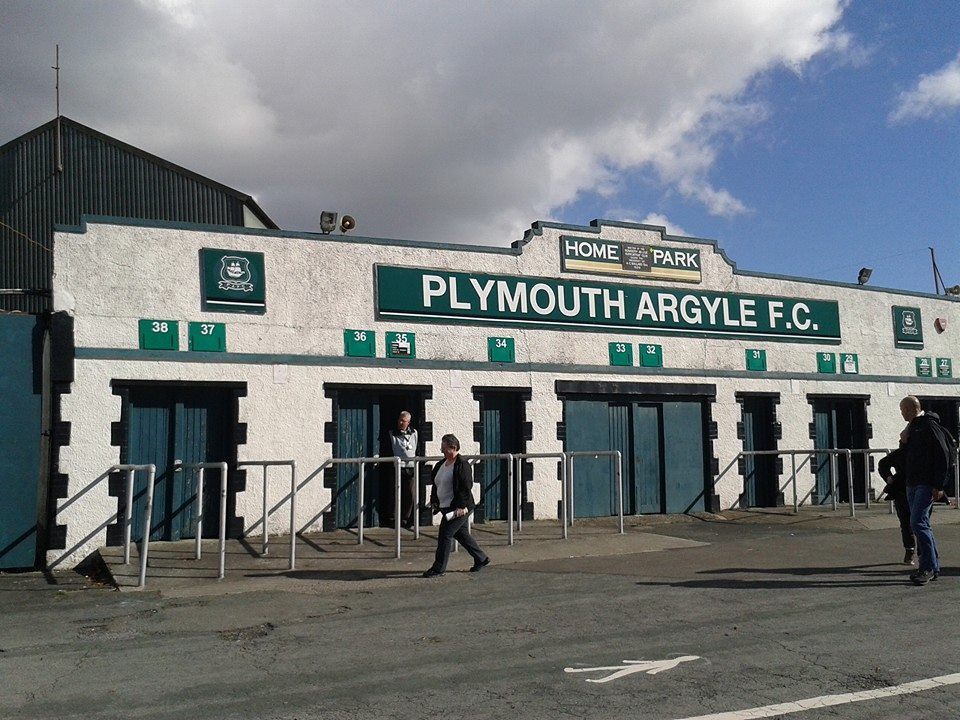
The clash between Queens Park Rangers (QPR) and Plymouth Argyle is always an exciting fixture in the English football calendar. Both teams have passionate fanbases, and with the stakes high in the Championship, this match is set to bring plenty of action. Understanding the potential lineups for this game can give fans a clearer picture of what to expect on the pitch. In this article, we will analyze the likely lineups for both QPR and Plymouth Argyle, focusing on their formations, key players, and tactical approaches.
QPR – Potential Lineup
Queens Park Rangers have had an up-and-down season, but they possess a team full of talent. Known for their solid defensive setup and counter-attacking style, QPR will look to be compact at the back while using their pace in attack to break down opponents. Under the guidance of their manager, QPR is likely to use a formation that maximizes both their defensive solidity and attacking threats.
Formation: 4-2-3-1
QPR typically lines up in a 4-2-3-1 formation, which offers balance between defense and attack. The central midfielders are crucial in breaking up play and launching counter-attacks, while the wingers provide width, allowing the team to stretch the opposition’s defense.

The lone striker often plays as a focal point in the attack, with support from attacking midfielders.
Key Players
Seny Dieng (Goalkeeper): The Senegalese goalkeeper has been outstanding for QPR with his reflexes and commanding presence in the box. Dieng’s ability to keep the team in the game with crucial saves will be vital, especially against a potent Plymouth attack.
Rob Dickie (Centre-Back): Dickie is a strong and reliable presence at the back. His aerial ability and leadership in defense will be crucial in dealing with Plymouth’s attacking threats, especially from set-pieces and crosses into the box.
Ilias Chair (Attacking Midfielder): Chair is a creative force for QPR, known for his dribbling skills, vision, and ability to create chances. His link-up play in the final third will be key in unlocking Plymouth’s defense.
Lyndon Dykes (Striker): Dykes is QPR’s primary goal-scoring threat. His physicality, aerial ability, and clinical finishing make him a constant danger inside the box. He will be looking to capitalize on any opportunities that come his way.
Tactical Considerations
QPR’s approach will likely revolve around tight defensive organization and quick counter-attacks. They will aim to sit deep, absorb pressure, and then use the pace of Chair and the strength of Dykes to break forward on the counter. The performance of the midfield duo will be important in winning possession and transitioning the ball quickly into attack.
Plymouth Argyle – Potential Lineup
Plymouth Argyle, under manager Steven Schumacher, have been impressive with their attacking style of play, often looking to dominate possession and press high up the pitch. Their ability to maintain intensity throughout the match and their strength in attack make them a formidable opponent for any team in the Championship.
Formation: 3-4-2-1
Plymouth often lines up in a 3-4-2-1 formation, which gives them a solid defensive foundation while allowing freedom for their wing-backs to push forward and support the attack. The central midfielders are tasked with controlling possession and linking up play, while the two attacking midfielders support the lone striker in the final third.
Key Players
Michael Cooper (Goalkeeper): Cooper has been a standout performer for Plymouth, with excellent shot-stopping ability and quick reflexes. His role will be vital in keeping QPR from scoring, especially during set-pieces or crosses into the box.
Dan Scarr (Centre-Back): Scarr is a towering figure at the back and is key to Plymouth’s defensive stability. His aerial prowess and physicality will be essential in defending against QPR’s set-pieces and aerial balls into the box.
Ryan Hardie (Striker): Hardie is Plymouth’s leading goal scorer and a constant threat in attack. His pace and finishing ability make him a dangerous player in one-on-one situations and when breaking through defenses.
Matt Butcher (Midfield): Butcher is a hard-working midfielder who can break up opposition attacks while also contributing offensively. His ability to dominate the midfield will be key to ensuring Plymouth maintain control throughout the game.
Tactical Considerations
Plymouth will likely focus on high pressing and maintaining possession. Their wing-backs, such as Bali Mumba, will be crucial in providing width and supporting the attack. Plymouth will look to control the tempo of the game by dominating midfield and creating chances for Hardie. They will need to be cautious of QPR’s counter-attacks but will likely try to pin QPR back with their high-intensity play.
FAQs
What formation will QPR likely use against Plymouth Argyle?
QPR is expected to use a 4-2-3-1 formation, which offers balance between attack and defense. The two central midfielders will be tasked with protecting the backline, while the attacking trio behind the striker will look to create chances. The formation allows QPR to remain compact defensively while providing attacking width through the wingers.
What formation will Plymouth Argyle likely use?
Plymouth Argyle typically sets up in a 3-4-2-1 formation, which gives them defensive stability while allowing wing-backs to push forward and support the attack. The central midfielders will look to dominate possession, while the attacking midfielders will aim to link up with the lone striker in the final third.
Who are the key players for Plymouth Argyle?
Plymouth has several standout players who will be key to their success:
Michael Cooper (Goalkeeper): A top performer between the posts, Cooper will be crucial in denying QPR’s attacking threats.
Dan Scarr (Defender): Scarr’s strength and aerial ability will be important in handling aerial balls and set-pieces from QPR.
Ryan Hardie (Striker): Hardie’s pace and goal-scoring ability make him a constant threat for Plymouth in attack.
Matt Butcher (Midfield): A dynamic midfielder, Butcher’s work rate and control of the game will be central to Plymouth’s strategy.
What will be the key to success for each team?
For QPR, success will depend on solid defense and quick counter-attacks. The pace and creativity of players like Chair will be crucial in transitioning from defense to attack. For Plymouth, controlling possession and using their wing-backs to create width will be key. Their pressing game will also play a pivotal role in stifling QPR’s attacks.
To Conclude
In conclusion, both teams have quality players who can make a difference. The outcome of this match will largely depend on how effectively each team can execute their tactical plans. Fans can expect an engaging and competitive contest.
To read more, click here


Post Comment